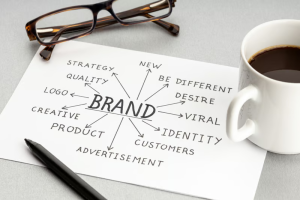

In a world filled with information, people often make decisions based on what they see before they read a single word. Whether browsing a website, scrolling through social media, viewing advertisements, using mobile applications, or walking into a retail store, visual impressions influence how individuals perceive brands, products, and experiences. This makes visual design one of the most important components of modern communication and business strategy.
Visual design is much more than making things look attractive. It is the practice of using visual elements strategically to communicate messages, guide user behavior, create emotional connections, and improve experiences. Effective visual design combines creativity, psychology, branding, and functionality to ensure that information is presented clearly and meaningfully.
Organizations across industries rely on visual design to strengthen brand identity, improve customer engagement, enhance user experiences, and differentiate themselves from competitors. From logos and marketing materials to websites and mobile applications, visual design influences how audiences interact with businesses and how they remember them.
As digital experiences continue to dominate consumer interactions, the importance of visual design has increased significantly. Customers expect intuitive interfaces, visually appealing content, and consistent branding across multiple channels. Businesses that invest in strong visual design often gain advantages in recognition, trust, customer satisfaction, and overall brand perception.
Understanding visual design is essential for marketers, entrepreneurs, designers, business leaders, and organizations seeking to create impactful experiences that resonate with modern audiences.
What Is Visual Design?
Visual design is the practice of using visual elements to communicate information, create experiences, and influence perceptions.
It focuses on how content is presented through:
- colors
- typography
- imagery
- layouts
- spacing
- shapes
Visual design combines aesthetics with functionality to achieve specific objectives.
Why Visual Design Matters
People process visual information quickly.
Strong visual design helps organizations:
- attract attention
- communicate messages
- build trust
- improve usability
- strengthen branding
Effective visuals often influence first impressions and long-term perceptions.
The Role of Visual Design in Modern Communication
Visual communication has become increasingly important in digital environments.
Users interact with visual content through:
- websites
- mobile apps
- social media
- advertisements
- presentations
Design influences how audiences engage with information.
The Difference Between Visual Design and Graphic Design
These terms are often used interchangeably, but they are not identical.
Graphic Design
Graphic design focuses on creating visual assets such as logos, advertisements, and marketing materials.
Visual Design
Visual design encompasses broader experiences, including user interfaces and digital interactions.
Visual design often incorporates graphic design principles while extending beyond them.
Core Principles of Visual Design
Several principles guide effective visual communication.
Balance
Balance refers to the distribution of visual weight within a design.
Types of Balance
Common forms include:
- symmetrical balance
- asymmetrical balance
- radial balance
Balanced designs often feel more stable and appealing.
Contrast
Contrast helps distinguish elements from one another.
Examples of Contrast
Contrast can be created through:
- color differences
- size variations
- typography choices
Strong contrast improves readability and emphasis.
Hierarchy
Visual hierarchy guides viewers through information in a logical order.
Why Hierarchy Matters
Hierarchy helps users understand:
- what is most important
- where to focus attention
- how information is organized
Effective hierarchy improves communication.
Alignment
Alignment creates order and consistency.
Benefits
Proper alignment helps:
- improve readability
- create structure
- enhance professionalism
Organized layouts support better experiences.
Consistency
Consistency ensures that design elements work together cohesively.
Areas of Consistency
Examples include:
- colors
- fonts
- layouts
- imagery styles
Consistency strengthens brand recognition.
White Space
White space refers to the empty areas between design elements.
Why White Space Matters
White space helps:
- improve readability
- reduce clutter
- increase focus
Effective use of space enhances usability.
Key Elements of Visual Design
Visual designers use several fundamental elements to create effective experiences.
Color
Color plays a significant role in communication and perception.
Emotional Impact of Color
Different colors can evoke different emotions and associations.
Examples include:
- blue for trust
- green for growth
- red for energy
- black for sophistication
Color choices influence audience reactions.
Brand Recognition
Consistent color usage helps strengthen brand identity.
Typography
Typography involves the selection and arrangement of text.
Importance of Typography
Typography affects:
- readability
- personality
- communication effectiveness
Well-chosen fonts improve user experiences.
Typography Considerations
Designers often evaluate:
- font styles
- sizes
- spacing
- hierarchy
These factors influence usability.
Imagery
Images help communicate information and emotions.
Types of Imagery
Examples include:
- photographs
- illustrations
- icons
- graphics
Visual content often increases engagement.
Supporting Communication
Images can simplify complex information and strengthen storytelling.
Shapes and Forms
Shapes contribute to visual structure and meaning.
Common Shapes
Examples include:
- circles
- squares
- triangles
- organic forms
Different shapes create different perceptions.
Layout
Layout refers to the arrangement of visual elements.
Why Layout Matters
Effective layouts improve:
- navigation
- readability
- engagement
Organization supports communication goals.
Visual Design and Branding
Visual design plays a central role in branding.
Building Brand Identity
Brand identity includes visual elements that represent a company.
Examples include:
- logos
- color palettes
- typography
- imagery styles
These elements create recognition.
Importance of Identity
Strong visual identities help brands stand out.
Consistency Across Touchpoints
Customers interact with brands through many channels.
Consistency helps reinforce recognition and trust.
Examples of Touchpoints
These may include:
- websites
- social media
- advertisements
- packaging
Unified experiences strengthen brands.
Visual Design and User Experience
Visual design and user experience are closely connected.
Improving Usability
Good design helps users navigate and understand information more easily.
Benefits
Improved usability can lead to:
- higher engagement
- increased satisfaction
- better conversion rates
User-centered design supports business objectives.
Guiding User Behavior
Visual cues help direct attention and encourage actions.
Examples
Designers may use:
- buttons
- color emphasis
- visual hierarchy
These elements influence user interactions.
Visual Design in Digital Marketing
Marketing relies heavily on visual communication.
Social Media Design
Visual content performs strongly on social platforms.
Benefits
Effective social visuals help:
- increase engagement
- strengthen branding
- improve reach
Visual consistency is important.
Advertising Design
Advertisements use visual design to attract attention and communicate value quickly.
Key Objectives
Advertising visuals often focus on:
- awareness
- engagement
- conversion
Strong design improves effectiveness.
Website Visual Design
Websites are often the first interaction customers have with a brand.
Importance of First Impressions
Visitors form opinions quickly based on visual appearance.
Essential Website Design Elements
Examples include:
- navigation
- layout
- typography
- imagery
Good design improves user experiences.
Mobile Application Design
Mobile experiences require careful visual planning.
Mobile Design Priorities
Designers focus on:
- simplicity
- accessibility
- usability
Mobile-friendly design supports engagement.
Accessibility in Visual Design
Accessible design ensures that content can be used by diverse audiences.
Why Accessibility Matters
Accessibility improves inclusivity and user experiences.
Accessibility Considerations
Examples include:
- color contrast
- readable typography
- alternative text
- navigation support
Accessible design benefits everyone.
The Business Benefits of Visual Design
Strong visual design contributes to organizational success.
Increased Brand Recognition
Consistent visual identities improve memorability.
Improved Customer Trust
Professional design often enhances credibility.
Higher Engagement
Visually appealing content attracts attention and encourages interaction.
Better Conversion Rates
Effective design can support business goals and customer actions.
Common Visual Design Challenges
Designers often face various challenges.
Balancing Creativity and Functionality
Designs must be attractive while remaining practical.
Maintaining Consistency
Organizations must ensure consistency across multiple channels.
Adapting to Changing Trends
Design trends evolve rapidly.
Balancing innovation and timelessness is important.
Future Trends in Visual Design
Several trends are shaping the future of the field.
Artificial Intelligence
AI tools are assisting with design creation and optimization.
Personalization
Customized visual experiences are becoming increasingly common.
Interactive Design
Interactive content encourages greater engagement.
Immersive Experiences
Technologies such as augmented reality and virtual reality are expanding design possibilities.
Frequently Asked Questions
What is visual design?
Visual design is the practice of using visual elements such as color, typography, imagery, and layout to communicate information and create experiences.
Why is visual design important?
It helps attract attention, improve usability, strengthen branding, and enhance communication.
What are the key principles of visual design?
Important principles include balance, contrast, hierarchy, alignment, consistency, and white space.
How does visual design support branding?
It creates recognizable identities through consistent visual elements such as logos, colors, and typography.
What is the relationship between visual design and user experience?
Visual design influences usability, navigation, engagement, and overall user satisfaction.
Final Thoughts
Visual design is a powerful discipline that combines creativity, communication, and functionality to create meaningful experiences. By strategically using elements such as color, typography, imagery, layout, and hierarchy, organizations can communicate more effectively, strengthen brand identities, improve user experiences, and influence customer perceptions. Strong visual design helps businesses stand out in crowded markets while making information easier to understand and interact with.
As digital interactions continue to grow and customer expectations evolve, the importance of visual design will only increase. Businesses that invest in thoughtful, consistent, and user-centered visual experiences will be better positioned to build trust, engage audiences, and achieve long-term success in an increasingly visual world.